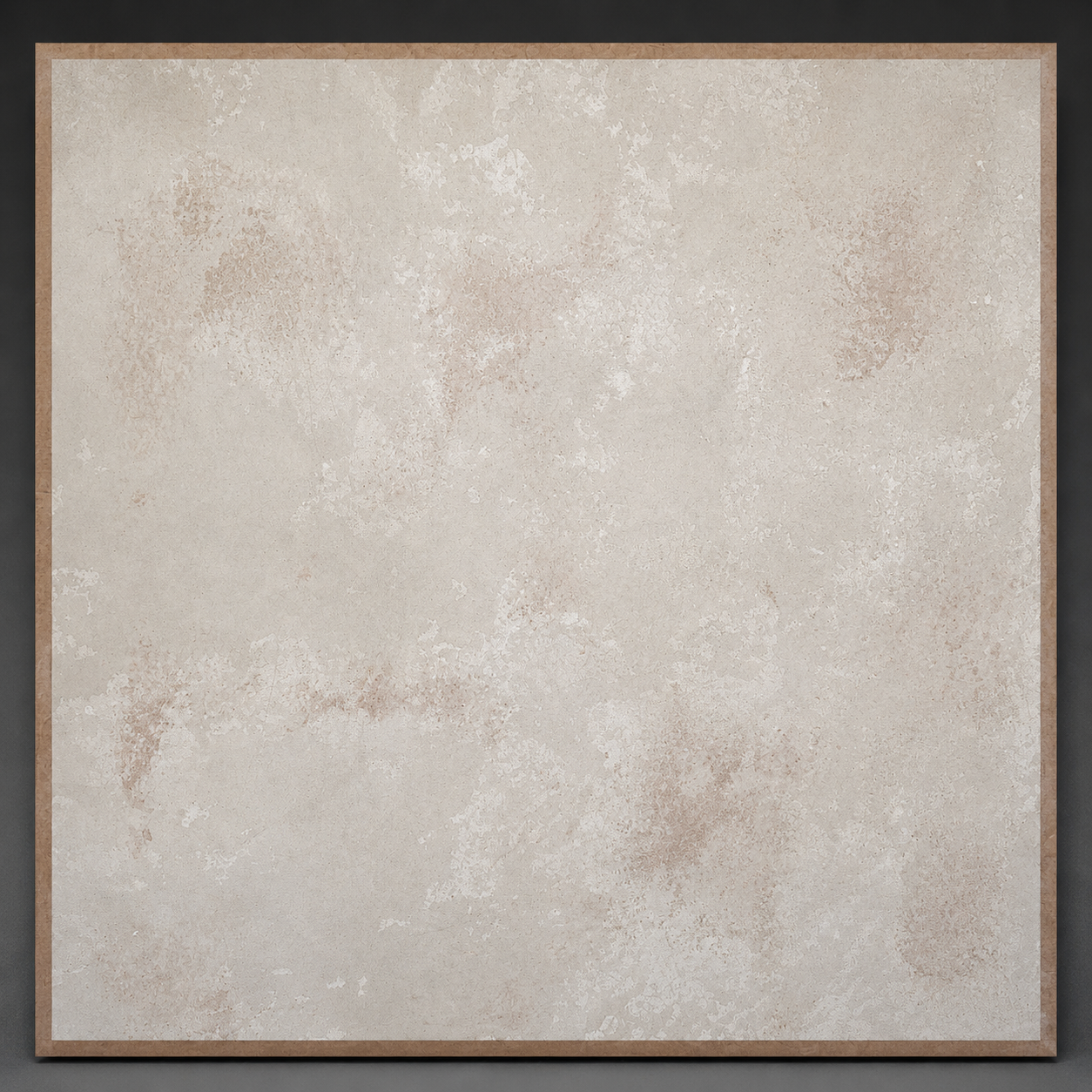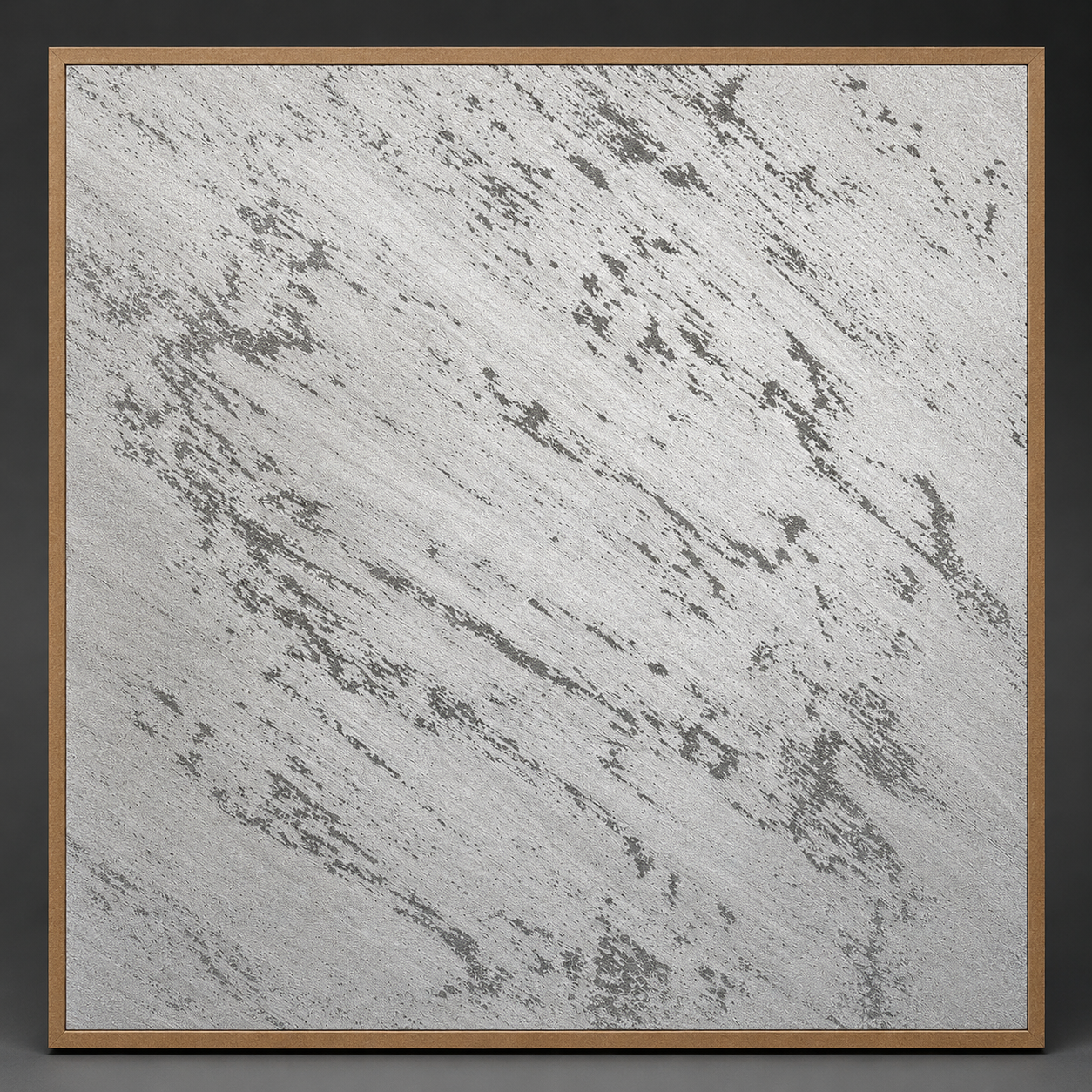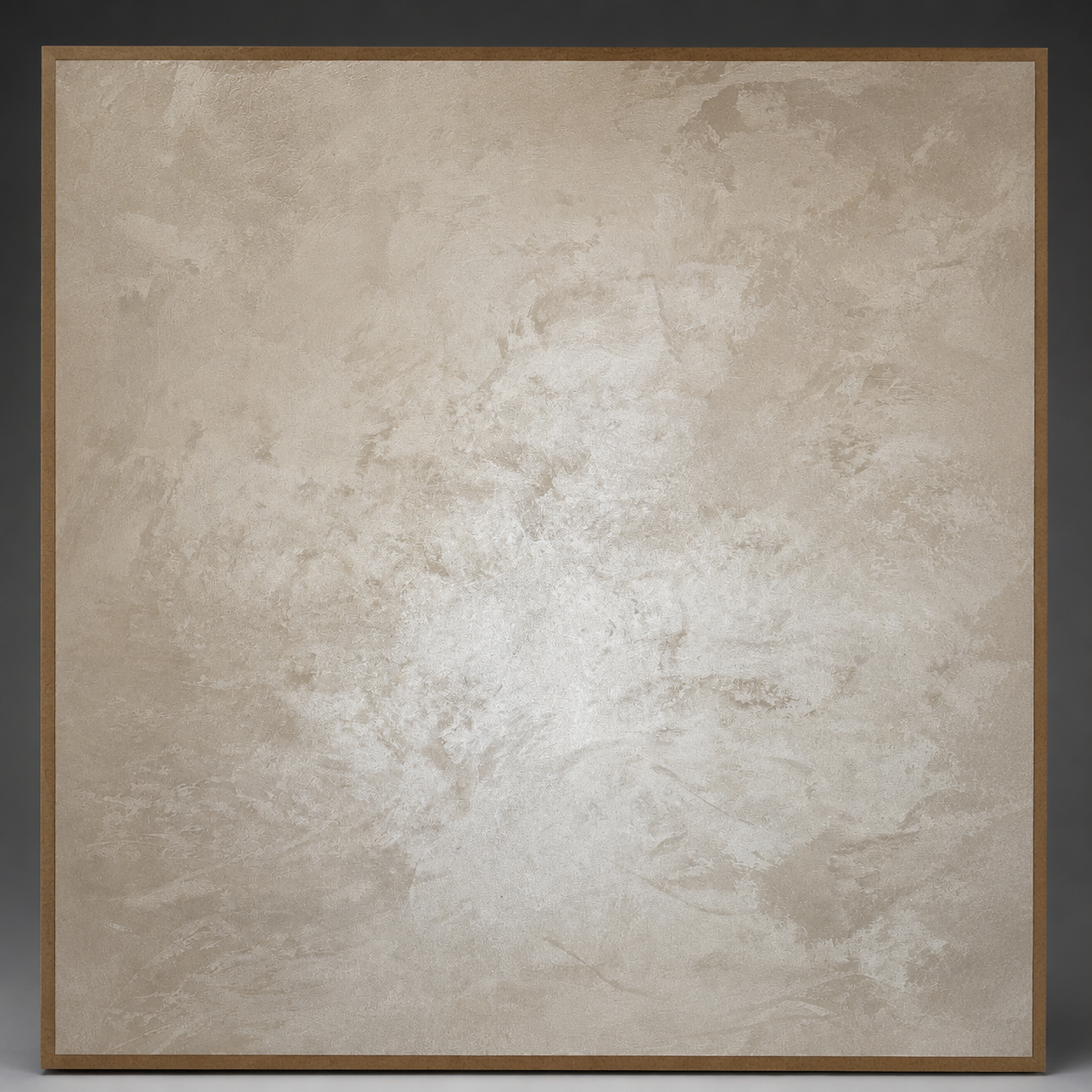
Very small pebbles (under 1 mm in size) adorn the surface of plaster after being added into the final mix applied to the surface. Most common with exterior finishes, it can be found often in lower level interior spaces; where plaster is more likely to crack. The strong rock finish and thick under layer of plaster helps it stick together, even in habitually damp conditions. Once plaster is applied often treatment is completed when wet plaster is applied to the surface, pebbles are broadcast onto the surface. Once broadcasted and thrown onto the surface by hand, the pebbles cling and get embed on to the surface.
Use Cases for Pebble-Dash Plaster Finish
1. Exterior Building Facades
Most common application.
Suitable for:
- Residential homes
- Villas
- Apartment exteriors
- Boundary walls
- Farmhouses
Why it works:
- Protects walls from rain and moisture
- Reduces visible cracking
- Provides durable textured finish
- Handles weathering better than smooth plaster
2. Coastal and Humid Climate Buildings
Ideal for areas with:
- Heavy rainfall
- Coastal salt exposure
- High humidity
Benefits:
- Thick plaster base resists dampness
- Pebble layer improves durability
- Less maintenance than painted smooth plaster
Examples:
- Beach houses
- Resorts
- Seaside cafés
- Tropical homes
3. Lower-Level Interior Spaces
Used where walls are prone to damage or moisture.
Common spaces:
- Basements
- Parking areas
- Stairwells
- Utility rooms
- Service corridors
Advantages:
- Hides minor wall imperfections
- Resists scratches and impacts
- Prevents visible hairline cracks
4. Rustic and Natural Architectural Design
Popular in traditional and rustic aesthetics.
Design styles:
- Cottage architecture
- Mediterranean homes
- Mountain lodges
- Eco-resorts
- Vernacular architecture
Visual effect:
- Natural stone appearance
- Earthy texture
- Handcrafted aesthetic
5. Public Infrastructure and Utility Buildings
Useful where durability matters more than smooth appearance.
Applications:
- School buildings
- Public toilets
- Storage structures
- Warehouses
- Utility enclosures
Reason:
- Long-lasting finish
- Low repair frequency
- Withstands rough use
6. Retaining Walls and Landscape Features
Works well outdoors in landscaping.
Uses:
- Garden walls
- Water feature surrounds
- Planter walls
- Outdoor seating bases
Benefits:
- Natural stone-like finish
- Blends with landscape elements
- Good moisture resistance
7. Renovation and Crack-Hiding Applications
Excellent for older buildings with uneven surfaces.
Useful when:
- Existing walls have minor cracks
- Surface is rough or patched
- Smooth finish is difficult to achieve
Outcome:
- Conceals imperfections
- Gives refreshed textured appearance
8. High-Traffic Exterior Zones
Suitable for areas exposed to dirt and contact.
Examples:
- Building plinths
- Entrance walls
- Side alleys
- Commercial exterior walls
Advantage:
- Dirt and stains less visible
- More impact resistant than smooth plaster
Key Functional Advantages
- Strong adhesion
- Moisture resistance
- Crack masking
- Durable surface texture
- Low maintenance
- Weather protection
- Decorative natural appearance
Industries That Commonly Use It
- Residential construction
- Hospitality projects
- Landscape architecture
- Institutional buildings
- Rural housing
- Heritage-style developments